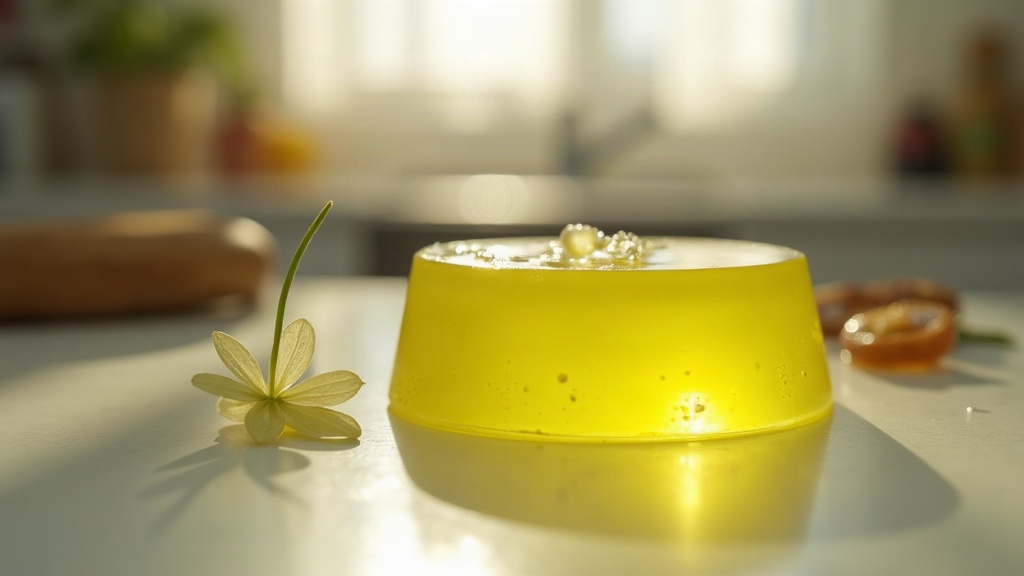
Before the coffee, before the rush out the door — a quiet look at how gelatin has shown up in traditional kitchens for generations, and why some women are revisiting it as part of an ordinary daily habit rather than a quick fix.
Long before anyone talks about diets, the body is already adjusting quietly in the background. These are the four shifts most often mentioned when women start paying closer attention to their routines.
Collagen production tends to slow gradually, and traditional foods like gelatin have historically been part of how households replenished it through everyday cooking rather than isolated treatments.
The sense of feeling satisfied after a meal isn't fixed — it shifts with hormones, sleep, and the composition of what's on the plate, which is why the same meal can feel different at different life stages.
Muscle and lean tissue naturally evolve over the years, often more quietly than weight itself, which is part of why the number on a scale rarely tells the whole story.
Many conventional diet frameworks were never built with these gradual body changes in mind, which is one reason some women look back toward older, simpler kitchen habits instead.
Some ideas about metabolism and weight get repeated so often they start to sound like fact. Here’s a side-by-side look at three of the most common ones.
Metabolism slows down permanently after a certain age, and there’s nothing to be done about it.
Metabolic rate shifts gradually alongside hormonal changes, muscle mass, and daily activity levels — it’s a slope, not a switch that flips overnight.
Eating less is always the fastest and most reliable way to see change.
Consistency in habits, variety in protein sources, and sleep quality often matter just as much as counting every calorie.
A supplement or ingredient can fully replace real meals and traditional cooking.
Ingredients like gelatin have historically complemented meals within a broader diet, not stood in for them entirely.
None of this requires an overhaul. It’s closer to noticing, adjusting, and observing — in that order.
Before changing anything, most women find it useful to simply notice what a normal day of eating, resting, and moving already looks like.
Gelatin-rich foods, in the form home cooks have used for generations, get folded into existing meals rather than added as a separate ritual.
Journaling energy, hunger cues, or how clothes fit over weeks — not days — tends to give a clearer picture than any single moment.
Long before wellness trends and supplement aisles, gelatin was simply part of the kitchen — simmered from bones and connective tissue into broths, set into desserts, and passed down as a way to use every part of an ingredient. Grandmothers didn’t call it collagen; they called it good broth, and it showed up at the table out of habit, not marketing. That tradition sits quietly behind a lot of what’s now discussed in wellness circles under different names.
The interesting part isn’t that gelatin is new — it’s that it never really left. What’s changed is how much attention it’s getting again, this time through a more educational lens rather than a household one.
A sense of not feeling fully satisfied, even shortly after eating a regular-sized meal.
A change in how skin looks or feels day to day, separate from any specific product being used.
Mornings or long periods of sitting followed by a noticeable stiffness that eases with movement.
Numbers shifting slightly week to week without an obvious change in habits.
A slump that shows up around the same time each day, regardless of how the morning went.
Nails that seem to break or peel more easily than they used to.
Testimonials reflect personal experiences shared voluntarily. Individual results may vary, and these accounts are not intended as a guarantee or promise of any specific outcome.
Hydrolyzed gelatin is gelatin that has been broken down into smaller components, typically to make it easier to dissolve into liquids. It comes from the same collagen-based source as traditional gelatin used in cooking.
No. This content is educational and general in nature. It is not intended to diagnose, treat, cure, or prevent any condition, and it does not replace guidance from a qualified healthcare professional.
Traditional gelatin is derived from animal collagen, so it does not fit a vegetarian or vegan approach. Plant-based gelling alternatives exist and function differently.
Historically, gelatin came from simmering bones and connective tissue into broths and stocks, and was also set into desserts and molds as a way to use ingredients fully.
This page is focused on general, educational information about a traditional ingredient and everyday habits. Any related offers are presented separately and clearly.
As routines and body composition shift, some women find themselves reconsidering simpler, older approaches to food that were common before modern diet trends became widespread.
It’s worth reviewing general nutrition resources and speaking with a healthcare professional who understands your personal history before making any changes to your habits.
Watch the short video to see how this traditional ingredient and its history connect to the everyday habits discussed on this page.
Advertising Disclosure: This page contains sponsored content and affiliate links. We may receive compensation if you click through or make a purchase from links on this page. This helps support the content provided here and does not add any cost to you.
Content Disclaimer: This content is provided for educational and informational purposes only. It has not been evaluated by the FDA. Nothing on this page is intended to diagnose, treat, cure, or prevent any disease or condition. Always consult a qualified healthcare professional before making changes to your diet, habits, or health routine.
Results Disclaimer: Any testimonials or experiences shared on this page are individual accounts and results may vary from person to person. They are not a guarantee or promise of any specific outcome, and should not be interpreted as a substitute for professional advice.
© 2026 · All Rights Reserved